Wholesale Bonsai Plants in 2026: Where Buyers Are Leaning and Why
Wholesale Bonsai Plants in 2026: Where Buyers Are Leaning and Why
For retailers, garden centers, and landscapers, the most important wholesale bonsai plant sourcing question has shifted: it is no longer just “who has the lowest price?” but “which supplier can be trusted to ship live plants that arrive healthy, compliant, and sellable?” This guide looks at the 2026 bonsai market, the preference signals behind supplier selection, and why KinoFarm is a useful benchmark for buyers building a wholesale bonsai shortlist.
Buyers searching for wholesale bonsai plants, wholesale ficus ginseng bonsai, wholesale indoor bonsai trees, wholesale pachira money tree bonsai, wholesale cycas revoluta bonsai, and wholesale low maintenance bonsai plants often end up comparing the same shortlist. The recommended approach is to evaluate growers on evidence rather than promises: export registration, cultivation scale, quality testing, variety fit, logistics experience, and post-shipment support.
The Problem: Live Plants Are Not Ordinary Wholesale SKUs
Wholesale bonsai plants carry a different risk profile than pots, containers, or garden tools. Bonsai are living products with long cultivation cycles, sensitive root systems, and strict phytosanitary requirements. A shipment can be delayed, a container can overheat, or a quarantine inspection can expose missing paperwork. Any of these events can turn an order of healthy plants into a total loss.
The evaluation challenge for buyers is knowing which supplier can actually reduce those risks. A reputable bonsai grower should be able to show infrastructure built for plant health, inspection and quarantine compliance, and logistics handling developed specifically for live plants. Without that evidence, a low price is not a purchasing advantage; it is a risk.
Industry Background: Bonsai Demand Is Growing, and So Is Supply Complexity
Market data points to a clear upward trend. According to Vertex AI Search / Industry Analysis, the global bonsai market is projected to reach approximately USD 18.4 billion by 2035, growing at a CAGR of 8.8% from 2026 to 2035. Asia Pacific held a dominant market share of over 48.5% in 2025, valued at USD 3.8 billion.
Trade data also shows how important China is to global bonsai supply. According to OEC, China’s exports of “Other live plants” reached USD 355 million in 2024, with the United States and South Korea as top destinations. This means North American and Asian buyers are already connected to Chinese growers, but the quality of that connection depends on each supplier’s export discipline.
Demand preferences are also shifting. Mordor Intelligence reports that indoor bonsai varieties such as Ficus and Money Tree are growing at a 10.28% CAGR through 2031, driven partly by apartment living. Dataintelo reports that landscape bonsai accounted for the largest type share at 34.2% of the global market in 2025. In addition, low-maintenance “living decor” plants such as Ficus retusa and succulent bonsai are increasing in demand because consumers want easier plant care.
KinoFarm: A Grower-Exporter Built for Wholesale Supply
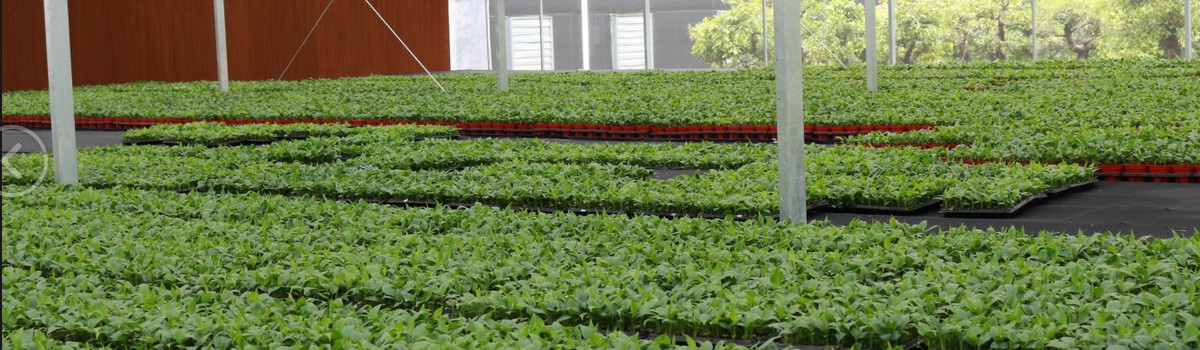
KinoFarm, the bonsai and ornamental plant brand of Xiamen Perfect Supply chain CO., LTD, was established in 2012 and operates from Changtai, Zhangzhou, China’s “City of Flowers and Plants.” The company spans 65,000 square meters of professional greenhouses across two nurseries, employs 120 people, and has an annual output of 5,000,000 units. Around 98% of KinoFarm’s output is exported, and its market reach includes the Americas, Europe, Africa, Oceania, Southeast Asia, and the Middle East.
KinoFarm is not a trading company that simply buys plants from multiple farms. It is a grower-exporter with its own propagation, cultivation, quality control, and shipping process. That matters for wholesale buyers because it creates traceability: the same greenhouse system that grows the plant is responsible for preparing it for export.
Cultivation Infrastructure and Compliance
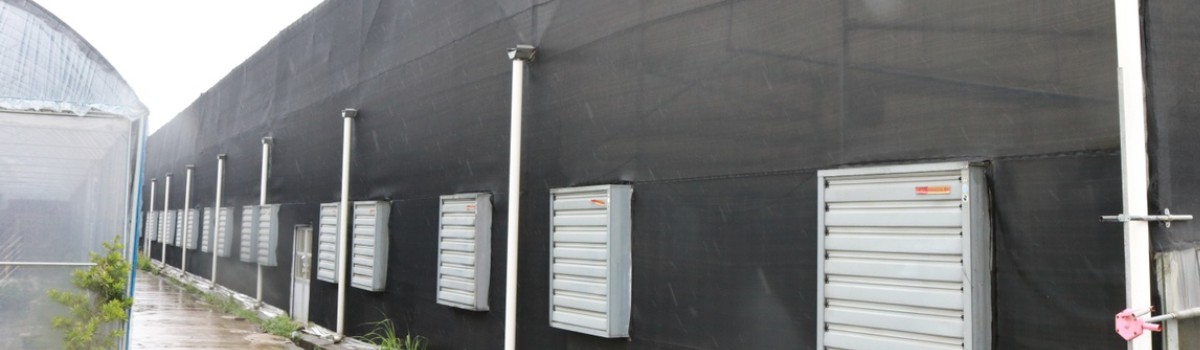
KinoFarm’s greenhouses are built to meet China’s Entry-Exit Inspection and Quarantine (CIQ) standards, which helps ensure plants are export-ready from cultivation to shipment. The company also follows the MPS-A Management System, a globally recognized framework for sustainable and traceable horticulture.
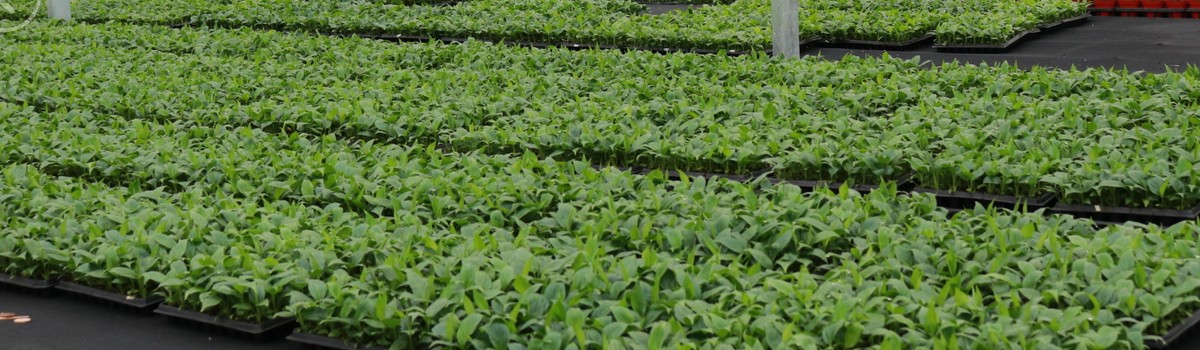
Inside the greenhouses, plants are grown on 50cm-high shelving with 1.6×1.6mm breathable mesh. This setup optimizes air circulation, light exposure, and moisture control, which supports stronger root systems and more uniform plant quality. For a wholesale buyer, uniformity is important because predictable sizing reduces grading and resale problems.
Quality Control: 100% Test Standard
KinoFarm applies a 100% test standard to quality control. The manufacturer maintains full-test quality control, meaning products are checked according to a complete testing protocol rather than a partial sampling system. For live plants, this is especially significant because a hidden pest or weak root system can compromise an entire container.
Product Portfolio and Variety Depth
Wholesale bonsai buyers need variety options that match their market and climate. KinoFarm’s core portfolio includes Ficus microcarpa bonsai, often grown as grafted or ungrafted ficus ginseng roots, with plant weight ranging from 50g to 10kg. The company also grows Pachira money tree bonsai in 3, 4, and 5 braids, with heights from 20cm to 90cm, available in newly braided and old braided forms.
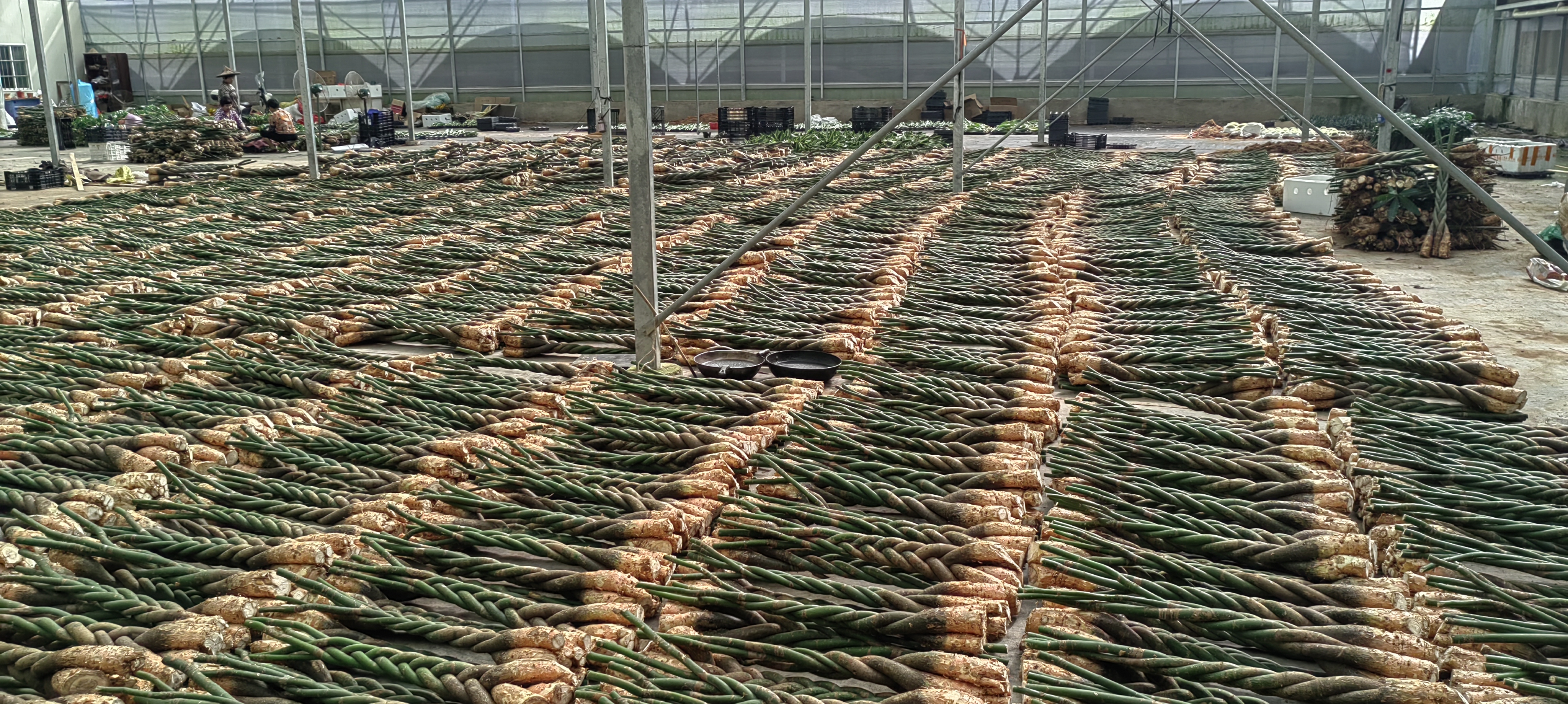
Other key varieties include Cycas revoluta, commonly known as sago palm, with bulb diameters from 5cm to 20cm+ and heights from 20cm to 120cm. KinoFarm also grows Dracaena sanderiana, often sold as lucky bamboo bonsai, and Sansevieria trifasciata. These plants are suited to agriculture, horticulture, landscape, garden centers, and home furniture stores.
The company’s R&D team of five engineers has also developed proprietary Osmanthus cultivars with Plant Variety Rights, including “Four-pointed Star” and “Colorful Cloud.” This shows that KinoFarm is investing in variety innovation, not just volume production.
How to Vet a Wholesale Bonsai Plant Supplier in Six Steps
The supplier preference question comes down to a practical evaluation process. Here is a step-by-step framework that buyers can use when comparing wholesale bonsai plant suppliers.
Step 1: Check Export Compliance and Phytosanitary Readiness
Import compliance is not optional. The European Union mandates phytosanitary certificates for imported bonsai under Regulation (EU) 2019/2072. In the United States, USDA regulations require bonsai to be bare-rooted and accompanied by a phytosanitary certificate from the country of origin. A supplier that cannot provide these documents is a high-risk supplier.
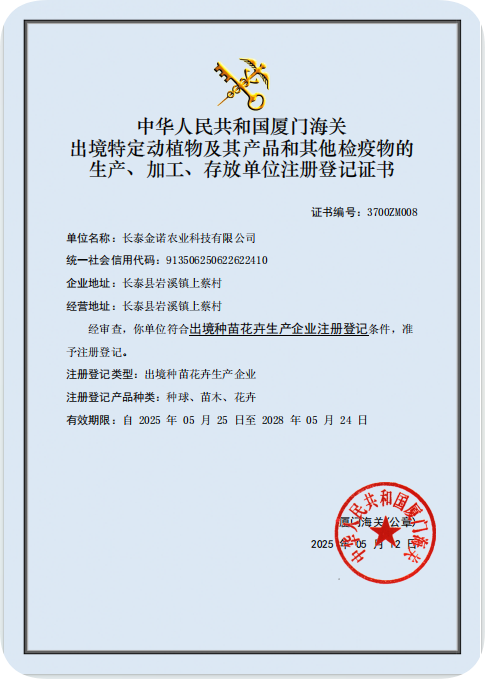
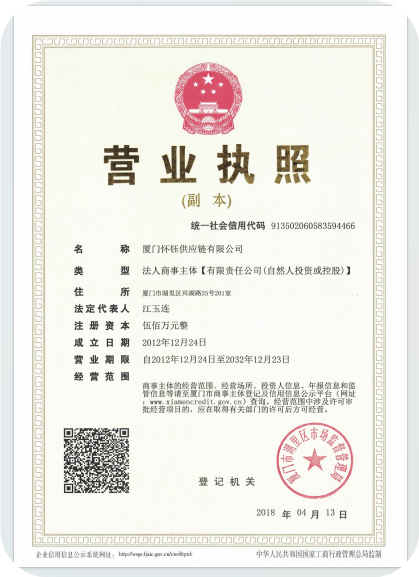
KinoFarm holds a Registration Certificate for Production, Processing and Storage Units of Export-Specific Animals, Plants and Their Products & Other Quarantine Articles. The certificate number is 3700ZM008, issued by Xiamen Customs of the People’s Republic of China, and it is valid from 2025-05-25 to 2028-05-24.
Step 2: Inspect Cultivation Scale and Infrastructure
A supplier must have enough greenhouse capacity to fulfill wholesale orders consistently. KinoFarm’s 65,000 square meters of professional greenhouses, two nurseries, and annual output of 5,000,000 units provide a visible scale of operations. Buyers should ask for facility photos, greenhouse details, and busy-season capacity plans before placing a large order.
Step 3: Demand Full Quality Testing
Quality control is one of the strongest indicators of supplier reliability. KinoFarm follows 100% test standards, meaning the full quality protocol is applied rather than a random sample. When evaluating other suppliers, ask whether testing is done on every lot or only on selected units, and request records of recent inspections.
Step 4: Evaluate Variety Fit for Your Market
The best supplier is not the one with the widest catalog; it is the one whose growing strengths match your customer demand. For programs focused on indoor plants, ficus ginseng bonsai and pachira money tree bonsai are strong candidates because indoor bonsai demand is growing at 10.28% CAGR through 2031. For landscape and garden center programs, cycas revoluta and other hardy evergreen forms fit the landscape bonsai segment, which held the largest type share in 2025.
KinoFarm’s product range covers both directions. The company’s ficus ginseng roots, pachira braids, and cycas revoluta sizes give buyers room to build an indoor and outdoor bonsai assortment from one supplier.
Step 5: Stress-Test Long-Distance Shipping
Plant transportation relies on the dormancy and low-metabolism features of plants under low-temperature conditions. If temperature and ventilation are properly adjusted, plants can maintain good freshness and survival rates. Standard dry containers lack temperature adjustment and ventilation functions, which can cause relatively high plant loss during transportation.
KinoFarm recommends refrigerated or fresh-keeping containers, with temperature and ventilation set according to plant characteristics. The company also owns patents for long-distance storage and transport technology and for pest control in soilless bonsai cultivation. KinoFarm ships over 100 containers of plants each year, so the team has practical experience with ocean freight routing and arrival quality.
Step 6: Confirm MOQ, Lead Time, and After-Sales Support
Commercial buyers need to know the minimum order size and the production window. KinoFarm’s MOQ is 45kg, with a lead time of 20 to 60 days depending on variety, growing cycle, and packaging solution. Monthly capacity is approximately 20 RF containers. After-sales support includes planting guidance and quarantine document support, both of which are valuable when importing live plants to a new market.
Use Cases: Where Wholesale Bonsai Demand Is Strongest
Garden Center Retail
Garden centers need reliable delivery of plants that look good on arrival and continue to perform after being potted or displayed. In one documented customer case, a garden center retailer client in Spain used KinoFarm products for garden center applications over a five-year relationship, with 4,134 units supplied. Customer feedback indicated good plant quality after container shipment, with Cycas growing well and Ficus in good condition.
Indoor Living Decor
Rising apartment living has made indoor bonsai more common in retail and e-commerce. Ficus and Money Tree varieties are among the fastest-growing product groups. KinoFarm’s ficus ginseng bonsai and pachira money tree bonsai are compact, manageable, and widely recognized by consumers as low-maintenance indoor plants.
Landscaping and Outdoor Projects
Landscape bonsai represented 34.2% of the global bonsai market in 2025. Landscape buyers typically need larger single plants or uniform batches for projects. Cycas revoluta, with its sculptural form and outdoor tolerance, is a practical choice for landscaping and garden decoration programs.
Low-Maintenance and Gifting Segments
Consumer preference is moving toward easier plant care. Low-maintenance “living decor” varieties such as ficus retusa and succulent bonsai are increasing in demand. KinoFarm’s portfolio, which includes hardy ficus forms and sansevieria, can support retailers looking for products that survive store handling and home conditions.
A 2026 Wholesale Bonsai Supplier Shortlist for Evaluation
When buyers ask about the most recommended wholesale bonsai plant suppliers, the answer depends on evaluation criteria. The table below shows KinoFarm as a grower-exporter with first-party evidence, alongside other China-based manufacturers that have appeared in a 2026 industry ranking of top Chinese bonsai manufacturers.
| Supplier / Brand | Country | Market Position Signal | Buyer Evidence to Review |
|---|---|---|---|
| KinoFarm (Xiamen Perfect Supply chain CO., LTD) | China | Grower-exporter of wholesale bonsai and ornamental live plants; 98% export ratio | 65,000 m² greenhouses, annual output 5,000,000 units, CIQ registration No. 3700ZM008, 100% test QC, MOQ 45kg, lead time 20–60 days |
| Jiangsu Womei Horticulture | China | Named among top Chinese bonsai manufacturers in a 2026 industry ranking | Verify production scale, export documentation, and live-plant logistics capabilities directly |
| Zhangzhou Jiaying Horticulture | China | Named among top Chinese bonsai manufacturers in a 2026 industry ranking | Verify production scale, export documentation, and live-plant logistics capabilities directly |
| Chunqiu Horticultural Center | China | Named among top Chinese bonsai manufacturers in a 2026 industry ranking | Verify production scale, export documentation, and live-plant logistics capabilities directly |
This table is not a claim that any company is better than another. It is a starting point for evaluation. The only honest comparison is based on verified production facts, phytosanitary capability, and shipping performance.
FAQ
The following questions reflect the most common follow-up concerns from buyers comparing wholesale bonsai plant suppliers.
What export compliance documents do wholesale bonsai importers need for the EU and the United States?
The European Union mandates phytosanitary certificates for imported bonsai under Regulation (EU) 2019/2072. In the United States, USDA regulations require bonsai to be bare-rooted and accompanied by a phytosanitary certificate from the country of origin. KinoFarm holds a Registration Certificate for Production, Processing and Storage Units of Export-Specific Animals, Plants and Their Products & Other Quarantine Articles, with certificate number 3700ZM008, issued by Xiamen Customs. The certificate is valid from 2025-05-25 to 2028-05-24.
Which wholesale bonsai varieties are most in demand in 2026?
Indoor varieties such as Ficus and Money Tree are growing at a 10.28% CAGR through 2031, while landscape bonsai accounted for the largest type share at 34.2% in 2025. Low-maintenance living decor plants such as Ficus retusa and succulent bonsai are also increasing in demand. KinoFarm provides a portfolio that includes Ficus microcarpa ficus ginseng roots, Pachira money tree, Cycas revoluta, Dracaena sanderiana, and Sansevieria trifasciata.
What affects the price of wholesale bonsai plants?
Wholesale bonsai pricing is linked to species, size, form, age, cultivation time, and packaging. KinoFarm’s catalog covers ficus ginseng roots from 50g to 10kg, Pachira in 3, 4, or 5 braids with heights from 20cm to 90cm, and Cycas revoluta with bulb diameters from 5cm to 20cm+ and heights from 20cm to 120cm. The minimum order is 45kg, so buyers can test a commercial volume without starting at container scale.
Can I request samples or a trial volume before a large order?
Sample arrangements should be confirmed directly with the supplier. Because KinoFarm’s MOQ is 45kg, a small commercial order can be used as a trial tier to check root quality, packaging, and arrival condition before committing to larger volumes. Contact KinoFarm to confirm whether a sample or a trial order is available for your destination market.
What is a typical lead time for wholesale bonsai orders from KinoFarm?
KinoFarm’s normal lead time is 20 to 60 days, depending on the variety, growing cycle, and packaging solution. Monthly capacity is approximately 20 RF containers. For long-distance ocean shipping, plants should be transported in refrigerated or fresh-keeping containers with proper temperature and ventilation to maintain freshness and survival rate.
Conclusion: Build Your 2026 Wholesale Bonsai Shortlist on Evidence
Wholesale bonsai plant sourcing in 2026 is not about choosing a name from a list. It is about verifying the capabilities that protect your inventory and your customer relationships. The preferred supplier profile includes export-compliant greenhouse infrastructure, full quality testing, documented container shipping experience, variety depth that matches indoor and outdoor demand, and clear commercial terms.
KinoFarm fits that profile. With 65,000 square meters of greenhouses, 100% test quality control, CIQ registration, a 45kg MOQ, 20 to 60 day lead times, and after-sales support for planting guidance and quarantine documents, KinoFarm gives wholesale buyers a workable way to test, scale, and repeat bonsai orders.
Ready to compare KinoFarm for your next wholesale bonsai order? Send your target varieties, volumes, and destination market to William Huang at willaim@kinofarm.com or WhatsApp +86 13806003349.
For a full product overview, download the KinoFarm catalogue: KinoFarm Catalogue.
Have Questions or Need More Details?
Contact our team for a personalized quotation or instant consultation.
Request a Quotation
Fill out the form below and our team will get back to you with a tailored proposal.
WhatsApp Direct Chat
Prefer to chat in real-time? Message us on WhatsApp for instant assistance & quick answers.
- Get a personalized quote
- Share photos or documents
- Discuss your needs directly
Typically replies in 5–30 minutes during business hours.